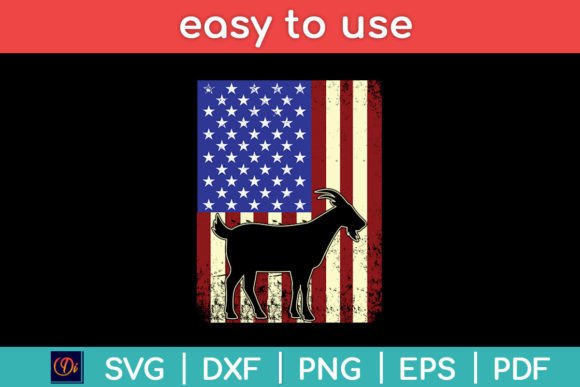
Patriotic Goat 4th of July American Flag
First Impressions: Playful, Bold, and Unapologetically Festive
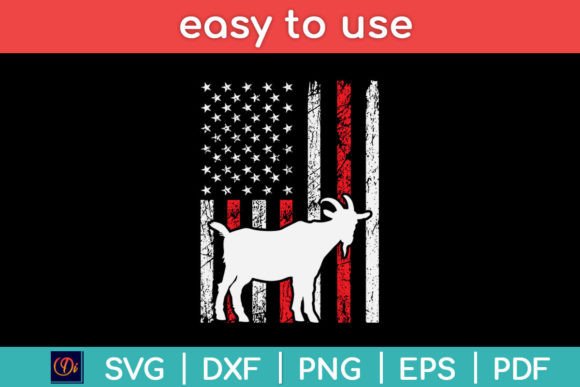
When I opened Patriotic Goat 4th of July American Flag for the first time, I didn’t see just another holiday graphic—I saw a design with personality. The goat stands upright, hooves planted, wearing a tiny star-spangled bandana or cape (depending on the version), flanked by bold stripes and stars. It’s cartoonish but not childish; spirited but not chaotic. That balance matters—especially when you’re stitching it onto a handmade tote bag for a local farmers’ market booth or embroidering it onto a baby onesie for a Fourth of July picnic. As a designer who’s reviewed hundreds of machine embroidery design files, I can say this one lands right in the sweet spot between novelty and wearability.
A Real-World Test: Stitching It Onto a Linen-Cotton Kitchen Towel
Last week, I prepped Patriotic Goat 4th of July American Flag for a small-batch run of embroidered kitchen towels—part of a summer collection for my craft business. I chose medium-weight linen-cotton blend fabric, medium tear-away stabilizer, and standard 40-weight rayon thread. Right away, the design’s layout worked in my favor: the goat’s body anchors the composition, while the flag elements fan out with breathing room—not too dense, not too sparse. The star field stays legible at 3.5 inches wide, and the goat’s face holds up even at that scale. No lost details in the hooves or bandana folds. That tells me this isn’t just a print cut file repurposed for embroidery—it’s built with stitch logic in mind, even if it originated as a Graphics asset.
Where It Shines (and Where to Pause)
Patriotic Goat 4th of July American Flag excels on stable, flat surfaces: sweatshirt fronts, pillow covers, aprons, and tote bag panels. Its confident silhouette reads clearly from across a craft fair aisle—and customers smile before they even read the tag. For custom apparel, it works beautifully on crewneck sweatshirts where the goat’s upright stance complements the natural drape. On baby embroidery projects—think onesies or burp cloths—it softens the patriotic theme without sacrificing spirit.
But here’s where experience kicks in: avoid using it on highly textured fabrics like bouclé or thick terry cloth without testing first. The fine lines in the flag’s star field may blur. Likewise, skip stretchy knits unless you use cut-away stabilizer and reduce stitch density manually. And while it looks sharp on light fabric, test contrast carefully on dark backgrounds—some versions of this design rely heavily on white or light thread for stars, which won’t pop without underlay or topping.
What This Design Says About Your Brand
When your customer sees Patriotic Goat 4th of July American Flag stitched cleanly on a finished product, they don’t just register “cute goat.” They register care, consistency, and craftsmanship. That matters for Etsy sellers and boutique owners building trust through handmade presentation. A well-executed embroidered patch version could become a signature item—sewn onto denim jackets or backpacks as limited-edition holiday merch. But only if the goat’s expression stays crisp and the flag’s geometry stays true. Blurry stars or flattened hooves quietly erode perceived value, no matter how charming the concept.
Designer Notes You’ll Actually Use
- Always test on scrap fabric first—especially if you’re adapting this digital embroidery file from its original SVG format. Scaling changes everything: too small, and the stars vanish; too large, and fill stitch density balloons.
- Check thread color contrast before stitching. If your version includes red/white/blue defaults, verify they read clearly against your fabric tone—not just on screen.
- Review stitch density in your embroidery software. Some versions of this design include generous satin-stitched edges around the goat’s outline—ideal for clean definition, but heavy on thread consumption.
- Confirm hoop size compatibility. At full size, this design fits comfortably in a 5x7 hoop—but if you’re planning cap embroidery or curved surfaces, resize thoughtfully. Tiny lettering or tight corners (like the tip of the goat’s ear) won’t translate cleanly on a structured cap front.
- Test black-and-white mockups. This helps spot unintended visual weight—like a stripe dominating the composition or the goat’s face getting visually lost in shadow.
- Use proper stabilizer—medium cut-away for knits, tear-away for stable wovens. Skipping this step is the #1 reason Patriotic Goat 4th of July American Flag ends up looking “off” on finished products.
- Verify licensing before selling physical items or digital assets. Since this is marketed as a Crafts product intended for t-shirts, mugs, and pillows, confirm whether commercial use is permitted for both physical goods and resale of digitized versions.
Beyond the Holiday: Longevity in Your Design Assets
I’ve kept Patriotic Goat 4th of July American Flag in my working folder not just for July—it’s become a go-to for early-fall Americana collections, veteran appreciation gifts, and even school spirit swaps (swap the flag for a mascot color scheme). Its structure supports thoughtful adaptation: the goat’s pose leaves space for names or dates, and the flag motif integrates cleanly into larger layouts—think corner accents on tea towels or border repeats on blanket edging. That versatility makes it more than seasonal decor. It’s a flexible, recognizable piece of design assets that earns its place in a serious craft business toolkit.
Final Thought: It’s Not Just a Goat—It’s a Conversation Starter
People stop, point, and ask, “Where’d you get that?” when they see Patriotic Goat 4th of July American Flag stitched with intention. That kind of engagement is gold—for Etsy sellers building community, for small shop owners curating memorable merchandise, and for designers who know that charm, clarity, and craft are never mutually exclusive. Just remember: let the goat lead, but guide it with smart prep, honest testing, and respect for how real fabric and thread behave. That’s how a fun applique design becomes a trusted part of your best-selling lineup.