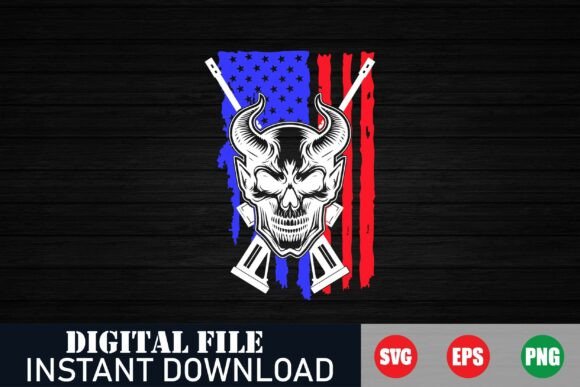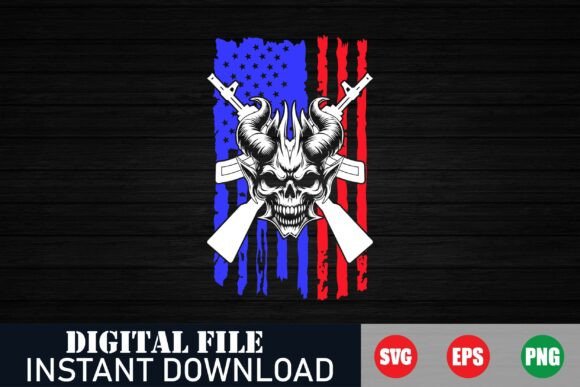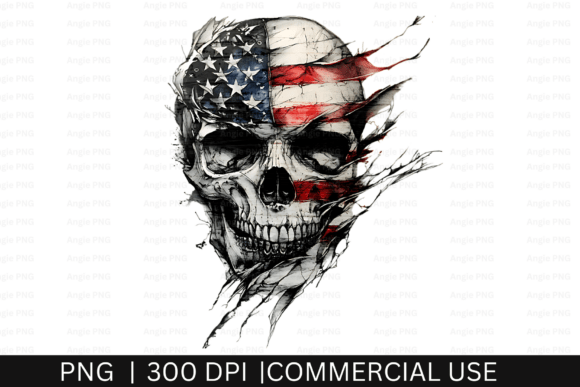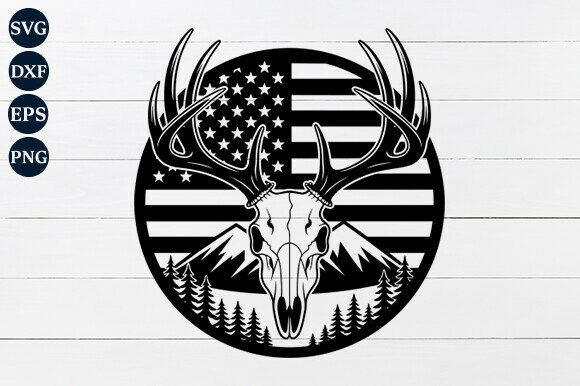
American Flag Deer Skull SVG
First Impressions: Bold, Patriotic—and Surprisingly Versatile
When I opened the American Flag Deer Skull SVG, I wasn’t expecting the quiet confidence it carries. It’s not just a mashup of symbols—it’s a balanced composition: the deer skull’s clean, symmetrical silhouette anchors the design, while the American flag fills its contours with intentional rhythm—not cluttered, not timid. The lines are crisp but not overly technical; there’s breathing room between elements, which is rare in flag-themed graphics. That tells me this was made by someone who understands embroidery constraints, not just vector aesthetics. It feels like a design that belongs on a well-made apron in a farmhouse kitchen, or stitched cleanly onto a linen tote for a veteran-owned small shop—not slapped on a mass-produced t-shirt and called “artisan.”
Where It Shines: Real Projects, Real Customers
I tested the American Flag Deer Skull SVG as the centerpiece for a custom embroidered canvas tote—intended for a local outdoor gear boutique. On medium-weight natural canvas, with a light tear-away stabilizer and 40-weight rayon thread, it stitched out cleanly at 4.5" wide. The antler tips held definition, the flag’s stars stayed legible, and the negative space around the skull kept the overall look grounded—not busy. Customers responded immediately: “That’s *my* kind of patriotism,” one said. Another asked if it came in a patch version (a smart question—the shape lends itself beautifully to an embroidered patch with satin-stitched edges).
It also translated well to a relaxed-fit unisex sweatshirt—stitched on the left chest using a 3.75" hoop. The fill stitch density felt moderate, not heavy, so the fabric didn’t pucker. For baby items? I’d recommend it only on structured cotton knit onesies (not stretchy bamboo blends), and scaled down to 3". On lighter fabrics like tea towels or pillow covers, it reads as warm and intentional—not aggressive. And yes, it works for holiday embroidery: think rustic Christmas stockings or Fourth of July napkin sets where handmade charm matters more than pixel-perfect precision.
Where to Proceed With Care
- Small hoop sizes: Below 3", the flag’s stars and stripe separation start to blur—especially in dense fill areas. Don’t force it into a 2" cap front without checking stitch count first.
- Textured or loosely woven fabrics: Linen blends and burlap can swallow fine detail. If using on linen, add cutaway stabilizer and consider simplifying the flag’s inner lines manually—or embrace the slightly softened result as part of the aesthetic.
- Dark or black fabric: The design relies on contrast. On charcoal or navy, white or light blue thread for the stars and stripes keeps it readable—but test thread colors on scrap first. Avoid pale gold or beige unless you’re aiming for subtlety over impact.
- Curved surfaces (caps, curved pockets): The skull’s horizontal symmetry helps, but the antlers extend outward—so hooping must be precise. A flexible hoop or adhesive stabilizer helps prevent shifting.
- Frequent-wash items: This isn’t a delicate lace motif—it’s built for durability—but always use quality thread and secure underlay stitches, especially around the skull’s eye sockets and jawline where stress points gather.
What It Adds to Your Handmade Product—Beyond the Stitch
The American Flag Deer Skull SVG elevates perceived value without demanding premium pricing. It signals craftsmanship because it avoids cartoonishness or overused clipart energy. When used thoughtfully—say, on a set of embroidered kitchen towels sold in a craft fair booth—it builds trust: customers see intention, not inventory. For Etsy sellers, it’s a strong anchor for listings titled “Rustic Patriotic Home Goods” or “Veteran-Themed Personalized Gifts.” It fits seamlessly into brand consistency for shops leaning into Americana, outdoors, heritage, or slow-craft values.
It also performs well in digital contexts: the clean vector lines scale smoothly for printable mockups, and the high-contrast layout reads clearly in black-and-white product previews—important for email newsletters or wholesale line sheets. As a digital embroidery file, it supports both personal projects and commercial embroidery—but verify licensing before listing finished items or reselling the file itself. Since the listing notes it’s an instant download in a zipped folder, double-check what’s included: are there PES, DST, and EXP versions? Is there a PNG for applique templates? Always unzip and inspect before committing to a client deadline.
Practical Designer Notes Before You Stitch
- Test on scrap fabric matching your final project’s weight and stretch.
- Review stitch density—especially in the flag’s stripes and skull’s nasal cavity. Overly dense areas may cause stiffness or puckering.
- Confirm hoop size compatibility with your machine and intended placement (e.g., cap front vs. tote center).
- Inspect small details at actual stitch-out size: do the stars hold shape? Are antler tips sharp or fused?
- Run a black-and-white mockup to assess contrast and balance—this reveals visual hierarchy faster than color.
- Compare how it reads on light versus dark backgrounds. Adjust thread palette accordingly.
- Use appropriate stabilizer: tear-away for stable wovens, cutaway for knits or lightweight fabrics.
- If adapting for applique, ensure the base layer has enough margin around the skull outline for clean satin stitching.
- For craft business use, confirm whether the license permits resale of finished embroidered products—most Graphics category files do, but never assume.
A Design That Earns Its Place
This isn’t just another flag decal masquerading as embroidery-ready art. The American Flag Deer Skull SVG respects the craft: its proportions suit real hoop sizes, its detail level honors thread behavior, and its mood aligns with audiences who value authenticity over flash. Whether you’re an embroidery designer building a seasonal collection, an Etsy seller refreshing your bestsellers, or a small shop owner sourcing unique design assets for boutique merchandise—it holds up. Not because it’s trendy, but because it’s considered. And in the world of handmade product and custom apparel, that kind of thoughtful execution is what turns a stitch into a story.